May 16 2026 - Sep 16 2026
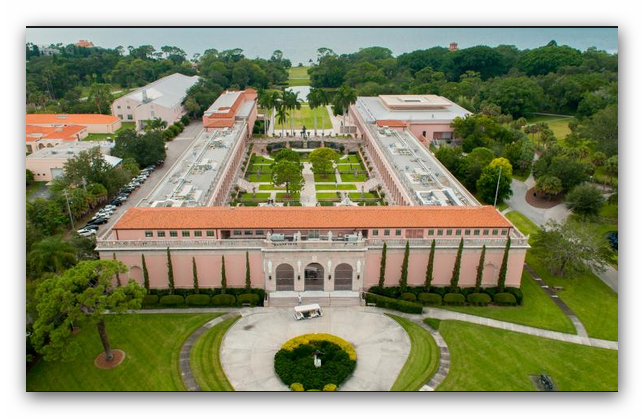
John and Mable Ringling Museum of Art
Sarasota, FL
Drawn from The Ringling’s permanent collection, this exhibition examines the emergence and evolution of art photography during this pivotal period.
To distinguish their work from commercial photography and the growing snapshot culture fueled by Kodak’s newly accessible cameras, Pictorialist photographers deliberately emulated the formal qualities of painters and graphic artists, and their subject matter often reflected themes found in Impressionist and Symbolist art.
By the 1910s and 1920s, however, many of these artists—shaped by emerging modernist theories—began developing distinct visual languages unique to photography, using the medium to express themselves in new and innovative ways.
Key figures featured in this exhibition include Alfred Stieglitz (1864–1946), Clarence H. White (1871–1925), and Edward Steichen (1879–1973), alongside Gertrude Käsebier (1852–1934), Eva Watson-Schütze (1867–1935), and Anne Brigman (1869–1950). The inclusion of these pioneering women underscores their significant contributions to camera clubs and photographic societies of the time, highlighting their impact on the evolution of art photography.
Credit: Exhibition overview from museum website
Exhibition Venues & Dates
May 16 2026 - Sep 16 2026
John and Mable Ringling Museum of Art
Sarasota, FL