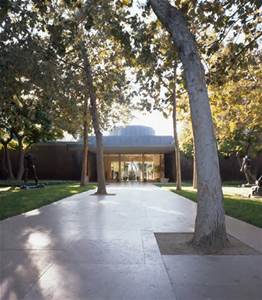
Sep 4 2026 - Feb 8 2027
Pasadena, CA
This exhibition features art from Kandy, the final royal capital of Sri Lanka before the onset of British colonial rule. Founded in 1469, the kingdom was re-established in 1592 and remained independent until its annexation into British Ceylon in 1815. The dynamic cultural exchanges during this reign and the unwavering aptitude of Kandyan artisans are highlighted by a group of objects drawn solely from the Norton Simon Museum’s collection. These works may have been commissioned for the royal court or made for Buddhist devotees to use as offerings. Mostly intimate in scale, the objects—crafted from bronze, silver or ivory and studded with gemstones—were easily portable.
Although it was a remote kingdom in the central hills, Kandy played a significant role in revitalizing the island’s social landscape. Kandyan kings formed marriage alliances with South Indian royals, negotiated trade with the Dutch who controlled the coastal regions, maintained diplomatic ties with Thai rulers to foster visits from Buddhist monks and restored the Buddhist monastic order. Despite shifting political conditions, contested authority and moments of usurpation, local and migrant artisans continued to create works in royal ateliers and peripheral workshops.
The art of this period blended local styles and motifs with South Indian designs, combining Buddhist and Hindu iconographies with pan-Asian symbolism. Patronage of Buddhist art and architecture was essential for a king to be considered a pious benefactor of the faith, and in turn, to legitimize their claim to the throne. Due to these factors, Kandyan art and architecture flourished by drawing from both foreign interactions and deeply rooted local traditions. Figural sculpture developed a distinctive, robust flair—with eyes that gaze directly at the viewer, broad shoulders and imposing limbs—while mythical and composite creatures animated much of the visual culture. In addition to painters and sculptors, many other categories of craftsmen were engaged in producing a variety of devotional and utilitarian objects, some of which are still being made today.
Presented in an intimate gallery setting, this exhibition of Kandyan art reflects wide-ranging themes of royal sponsorship, Buddhist devotion and creative imagination, illustrating how artisans and patrons of diverse backgrounds shaped an ongoing artistic legacy that transcended cultural and political boundaries.
Credit: Exhibition overview from museum website
Exhibition Venues & Dates
Sep 4 2026 - Feb 8 2027
Pasadena, CA